


No Product Found.
Fertilizer for Plants gives roots the nutrients that soil alone cannot supply for long. Garden Shop offers feeds for indoor plants, containers, beds and lawns. Used in the right amount, plant feed brings greener leaves, stronger growth and more flowers.
Plants use up nutrients as they grow. In pots, watering also washes nutrients out of the soil. Without feeding, leaves turn pale and growth slows. Regular, light feeding keeps plants healthy through the growing season.
NPK Fertilizer is labelled with three numbers. They stand for nitrogen (N), phosphorus (P) and potassium (K). Nitrogen supports leafy growth, phosphorus supports roots and flowers, and potassium supports overall strength. For example, NPK 20-20-20 contains equal parts of each.
NPK Fertilizer is available in granules, which release slowly, and soluble powders or liquids, which act faster.
All Purpose Fertilizer has a balanced mix of nutrients for most plants. It suits houseplants, flowering plants, vegetables and shrubs. For beginners, All Purpose Fertilizer is the simplest choice.
Indoor plants grow more slowly than outdoor plants, so they need less food. Fertilizer for Indoor Plants is usually used at a lower strength. Over-feeding indoor plants can burn roots and leave white crust on the soil.
Indoor feeds work especially well in liquid form, mixed into the water.
Plant Food for flowering and fruiting plants often has more phosphorus and potassium. These nutrients support blooms and fruit. Leafy greens, on the other hand, benefit from extra nitrogen. Plant Food chosen for the crop gives stronger results than one feed for everything.
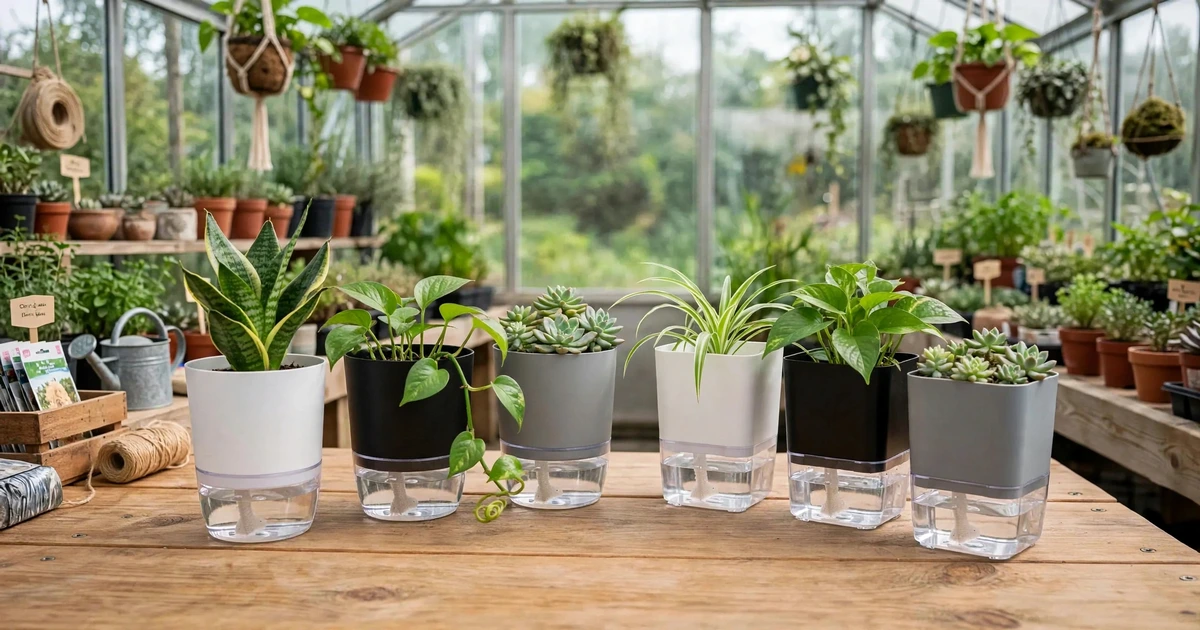
In self-watering pots, add liquid feed to the top of the soil rather than the reservoir. This avoids a build-up of salts in the water tank. Rinse the reservoir every few months.
Start with what you grow. Leafy houseplants want a balanced or slightly nitrogen-rich feed. Flowering plants and vegetables want more phosphorus and potassium once they start to bloom. Lawns need steady feeding in the growing season and less in winter.
Next, choose the form. Slow-release granules feed for weeks and suit busy gardeners. Liquid feeds act quickly and suit indoor plants and containers. Many growers use both: granules at planting time and liquid feed during peak growth.
Pale or yellowing older leaves, slow growth and few flowers often point to hungry plants. However, the same signs can come from poor light or overwatering. Check those first, then feed if the plant still looks pale.
Further reading: RHS gardening advice.
Fertilizer for Plants works well alongside good soil and correct watering. Ask our team on WhatsApp about current stock and delivery.
Thank You!
Thank you for your message. It has been sent.