


Drip irrigation system installation from Garden Shop waters your plants at the roots, where they need it most. It saves water, saves time and keeps plants evenly moist. We plan the layout, fit the pipes and emitters, and show you how to run it.
What Is Drip Irrigation?
Drip irrigation uses thin pipes with small outlets called emitters. Each emitter releases water slowly beside a plant. Because water goes straight to the roots, very little runs off or evaporates. Leaves also stay dry, which lowers the risk of leaf disease.
Drip Irrigation System for Home Garden Beds and Pots
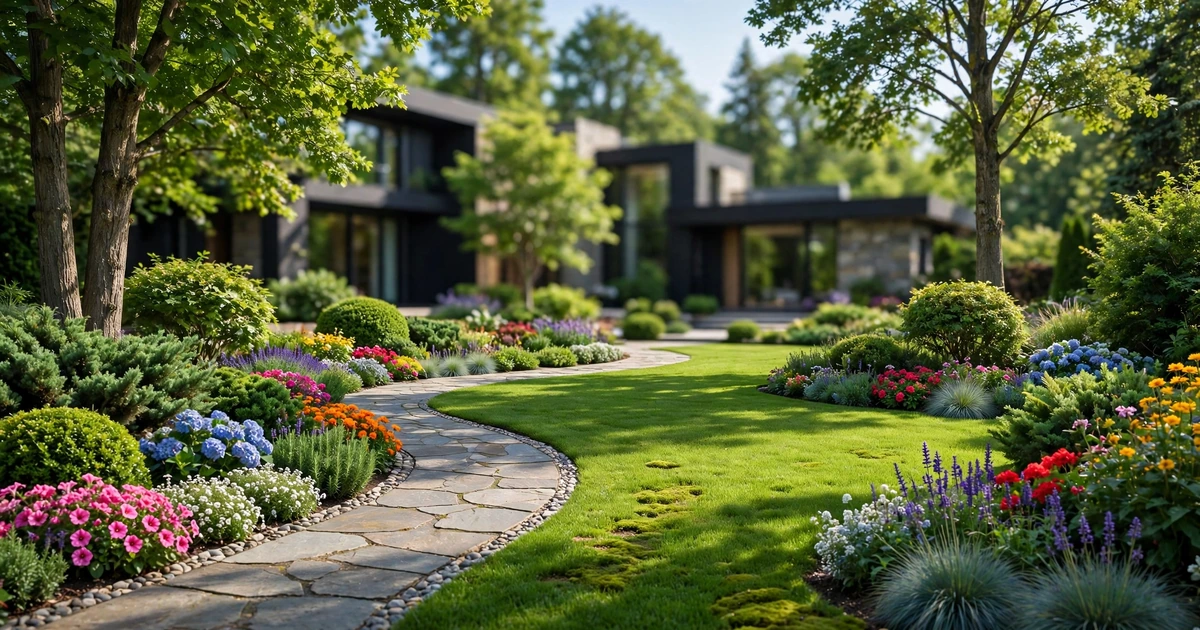
A Drip Irrigation System for Home Garden beds suits flower beds, hedges, vegetable patches and rows of pots. We group plants by water needs into zones. As a result, thirsty plants get more water while hardy ones get less.
Home Drip Irrigation also works well on balconies and rooftops, where containers dry fast in summer. Small pipes run neatly along walls and railings to each pot.
Parts of the System
- Main line: carries water from the tap or tank.
- Drip lines and emitters: deliver water to each plant.
- Filter: stops dirt from blocking the emitters.
- Timer (optional): turns water on and off at set times.
Our Drip Irrigation System Installation Process
- Site visit: we check your water source, pressure and plant areas. It is free.
- Layout plan: we divide the garden into zones by plant type.
- Installation: we lay pipes, fit emitters and add the filter.
- Testing: we run the system and check each plant receives water.
- Handover: we explain how to use and clean it.
Garden Irrigation System for Lawns
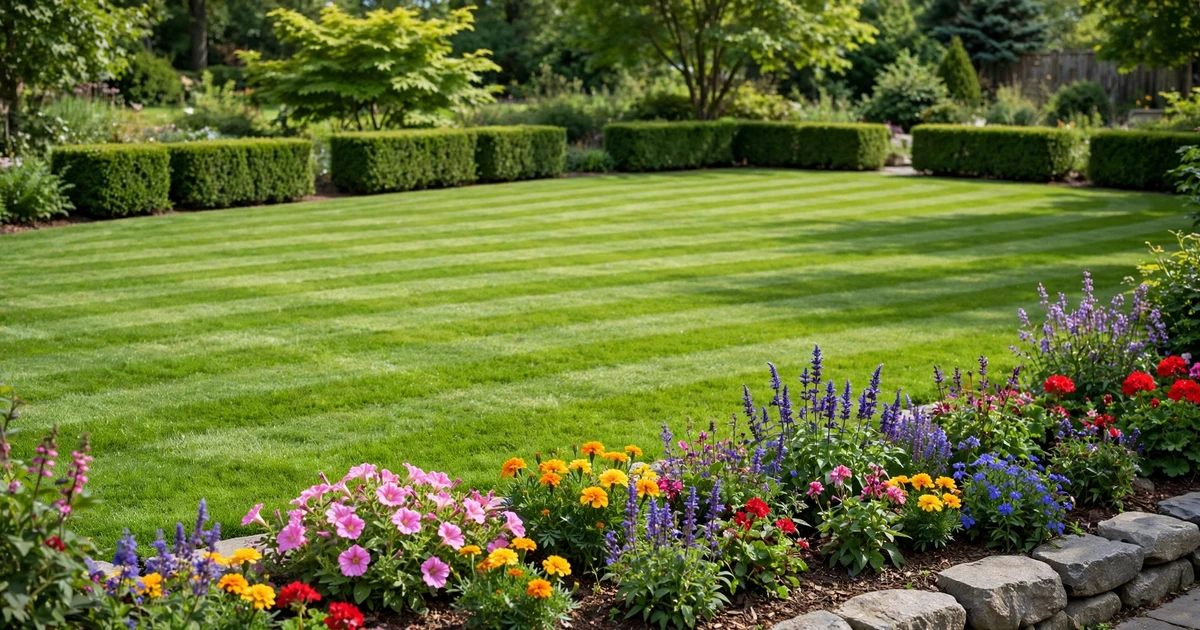
Lawns need even coverage over a wide area, so drip lines are not always the right fit. Here, a Garden Irrigation System may use sprinklers instead. We place them so water reaches every part of the lawn without soaking paths.
Sprinkler System Installation suits open lawns, school grounds and larger gardens. Many homes combine sprinklers for the lawn with drip lines for beds and pots. A Garden Irrigation System built this way covers every zone properly.
Sprinkler System Installation Tips
Water early in the morning, when less evaporates. Avoid watering at midday heat. Check heads every few weeks for blockages, and adjust the spray so it falls on grass, not walls.
Looking After Your System
A drip system needs very little care, but a few checks keep it running well. Clean the filter every month, because dirt is the main cause of blocked emitters. Walk the lines once a week and look for dry plants or leaks. In winter, reduce watering time, since plants need less. Before a long trip, test the timer so plants stay watered while you are away.
Why Install a Watering System
- Less water used compared with hand watering.
- Even moisture, which means steadier plant growth.
- Time saved every day, especially with a timer.
- Plants stay watered when you travel.
Home Drip Irrigation pairs well with self-watering pots for indoor plants. Our team can also plan watering as part of a full landscaping project.
Water Source and Pressure
Every system depends on steady water. A tap with low pressure may need a small pump or a raised tank. Water with sand or silt needs a stronger filter. We check both during the site visit, so the system works from the first day.
Book Your Irrigation Setup
Our team is experienced and professional, and installations are efficient and tidy. Every job starts with a free site visit and a written quote.
Drip irrigation system installation makes garden watering simple and steady. Message our team to arrange a free site visit.
Further reading: RHS gardening advice.
Reviewed by Malik Ashfaq Ahmad, 35+ years of experience.